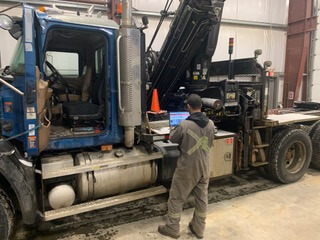
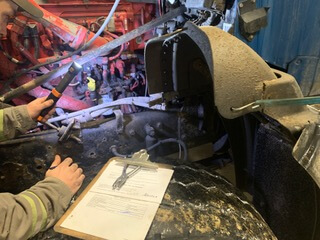
We know here at DMR how challenging business can be and we want to assure you that we offer a fully certified CVIP shop that can assess your needs and ensure you get your Inspection done quickly and affordably to avoid costly downtime.
A Commercial Vehicle Inspection Program (CVIP) inspection is an important part of keeping regulated commercial vehicles safe and compliant for highway operation in Alberta. The inspection evaluates applicable safety-related components and helps identify mechanical problems that could affect the vehicle, driver, or other road users.
For commercial truck and fleet operators, a CVIP inspection should be viewed as more than a yearly requirement. It is an opportunity to identify worn, damaged, or deteriorating components before they become a larger repair problem. Alberta's Vehicle Inspection Program establishes inspection requirements and licenses the facilities and technicians authorized to perform these inspections.
A successful inspection provides documentation that the vehicle has met the applicable inspection requirements. Commercial inspection records are completed through Alberta's Vehicle Inspection Program system, with records maintained for the inspection performed.
The exact inspection requirements depend on the type of vehicle being inspected, but a commercial vehicle inspection involves evaluating important safety and operating components.
Areas that may require attention include:
A CVIP inspection is not intended to replace regular servicing. Instead, it works alongside a carrier's preventive maintenance program. Alberta's commercial vehicle training materials specifically distinguish mandatory inspections from the ongoing maintenance responsibilities of vehicle owners and carriers.
That distinction matters. A truck can have a current inspection and still require regular oil changes, lubrication, brake maintenance, fluid checks, tire inspections, and other scheduled services.
Many inspection concerns develop gradually rather than appearing suddenly. Brake components wear over time, suspension components can develop excessive play, electrical connections can corrode, and tires can deteriorate through normal operation.
Other problems may result from the demanding conditions in which heavy-duty trucks operate. Frequent hauling, rough roads, extreme Alberta temperatures, heavy payloads, and long operating hours can all accelerate component wear.
Before an inspection, fleet operators should pay attention to warning signs such as:
Identifying these problems early gives a repair shop an opportunity to diagnose and correct the underlying issue before the inspection.
Good preparation starts well before the inspection appointment. Instead of waiting until the inspection date to look for problems, operators and fleet managers should incorporate inspection-related checks into their regular maintenance routines.
Start by reviewing the vehicle's maintenance history. Look for recurring brake, suspension, steering, electrical, or tire issues. If the same problem has appeared more than once, investigate the underlying cause instead of simply replacing the same component again.
A visual inspection can also identify obvious problems. Check lights, tires, wheels, hoses, fluid levels, and visible mechanical components. Listen for unusual noises during operation and pay attention to changes in braking, steering, handling, or suspension performance.
If something does not look or feel right, have it diagnosed before the CVIP appointment.
A failed inspection does not necessarily mean that a vehicle needs major repairs. The result depends on the specific defects identified during the inspection.
Once the problem has been identified, the necessary repairs can be completed and the vehicle can proceed through the applicable inspection process. Having an experienced heavy-duty repair technician involved can make this process more efficient because the technician can diagnose the mechanical issue rather than simply replacing parts based on symptoms.
The inspection facility also provides a Record of Inspection for each vehicle inspection completed under the program, including when the vehicle does not pass. Alberta requires the original signed record to be provided to the person presenting the vehicle, while the facility retains a copy.
One of the best ways to reduce inspection surprises is to treat CVIP as one part of a larger fleet maintenance strategy.
Preventive maintenance helps identify wear before it becomes a safety issue. Scheduled inspections, fluid services, brake checks, tire inspections, electrical testing, and component replacement can help keep trucks operating reliably between formal inspections.
Fleet managers can also use maintenance records to identify patterns. If several trucks are developing similar suspension, brake, or electrical problems at comparable mileage or operating hours, that information can be used to adjust maintenance intervals or investigate operating conditions.
This approach can help reduce unexpected downtime while making inspection preparation much more predictable.
Commercial trucks are complex machines with interconnected mechanical, hydraulic, electrical, braking, steering, and drivetrain systems. When a problem is found during an inspection, the repair needs to address the actual cause and restore the vehicle to proper operating condition.
A heavy-duty repair shop with experience working on commercial vehicles can help diagnose these problems efficiently and complete the repairs required to get the vehicle ready for continued operation.
DMR Diesel provides heavy-duty repair support for commercial vehicles and can assist with diagnosing and addressing mechanical problems that may affect a truck's inspection readiness. Combining regular maintenance with professional repair support can help fleet operators stay ahead of developing problems rather than waiting for a breakdown or inspection failure.
CVIP should not be treated as a last-minute event. The most reliable approach is to maintain commercial vehicles throughout the year, monitor developing problems, document repairs, and address safety-related concerns as soon as they appear.
When inspection time approaches, a well-maintained vehicle is easier to prepare because many potential problems have already been identified and corrected.
If your commercial truck needs inspection preparation, heavy-duty repairs, or help diagnosing a mechanical problem, DMR Diesel can help you determine what needs attention and get your vehicle ready for the road.
We Appreciate The Opportunity To Earn Your Business