From Railway and oil and gas, to small diesel engines, to Heavy Duty Semi trucks and everything in between, DMR Diesel is your one stop shop for diesel repair and fleet maintenance.
We repair replace and maintain all types of diesel engines such as:
DMR Diesel offers a diverse team of heavy duty technicians and a fully tooled diesel engine repair and rebuilding facility, also complimented with a fleet of heavy duty mobile service trucks to help you wherever you are located!
Diesel engines are built to handle demanding workloads, but even the most durable engine will eventually require maintenance or repair. Heavy-duty trucks, industrial equipment, railway equipment, oilfield machinery, and other diesel-powered vehicles can operate for long hours under significant loads. Heat, vibration, contamination, extended idling, heavy hauling, and demanding operating conditions can gradually affect engine performance.
When an engine begins showing warning signs, early diagnosis can make a significant difference. A small fuel, cooling, lubrication, electrical, or turbocharger problem can eventually develop into a major engine failure if the underlying cause is not addressed.
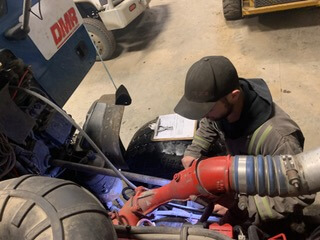
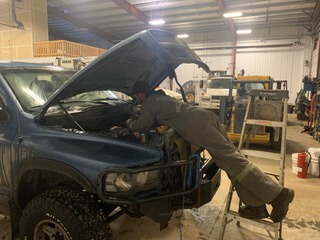
DMR Diesel provides diesel engine repair and rebuilding services for a wide range of applications, from smaller diesel engines to heavy-duty commercial equipment. Its technicians can diagnose engine problems, repair individual components, and determine when a complete rebuild is the more appropriate solution.
Diesel engine problems do not always begin with a complete breakdown. Many failures provide warning signs that can be identified before the engine becomes inoperable.
Watch for:
A noticeable change in how an engine starts, sounds, responds under load, or consumes fluids should not be ignored. Diagnosing the problem early can help determine whether a relatively contained repair can prevent more extensive internal engine damage.
Accurate diagnosis is one of the most important parts of diesel engine repair. Replacing components based only on symptoms can waste time and money without correcting the actual problem.
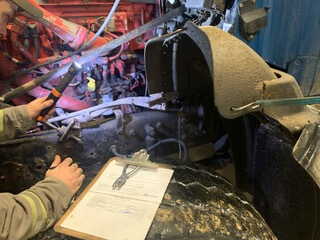
Diesel engine diagnostics may involve electronic scan data, visual inspections, fluid checks, electrical testing, fuel-system testing, and mechanical evaluation. Depending on the symptoms, technicians may investigate areas such as fuel delivery, injectors, sensors, turbocharger operation, cooling systems, lubrication, compression, and engine control systems.
DMR Diesel's existing service information identifies advanced diagnostics as part of its diesel engine repair capabilities.
The goal is to determine what is causing the problem rather than simply treating the most obvious symptom. A proper diagnostic process can also help identify related issues before the vehicle returns to demanding service.
The fuel system plays a major role in diesel engine performance. Injectors must deliver fuel accurately for proper combustion, while fuel pumps, filters, lines, and related components must work together under demanding conditions.
Contaminated fuel, restricted filters, injector wear, or fuel-system faults can contribute to hard starting, poor acceleration, rough operation, smoke, and increased fuel consumption.
A fuel-system problem can sometimes resemble a larger engine problem. Proper testing helps separate fuel delivery issues from compression, air intake, turbocharger, or electronic control problems.
Addressing fuel-system issues promptly can help restore performance while reducing the risk of continued operation with poor combustion.
Diesel engines generate substantial heat, particularly when working under heavy loads. The cooling system must continuously remove that heat and maintain the engine within its intended operating range.
Low coolant, leaks, restricted radiators, thermostat problems, water-pump issues, damaged hoses, or other cooling-system faults can cause overheating. Operating an engine while it is overheating can lead to much more serious damage.
For heavy-duty vehicles and equipment, cooling-system maintenance should therefore be part of regular service rather than something addressed only after the temperature gauge rises. Cleaning, inspection, coolant checks, and timely repairs can help prevent an overheating problem from becoming an engine rebuild.
Turbochargers help diesel engines produce the power required for heavy-duty applications by forcing additional air into the engine. When turbocharger components become worn or damaged, engine performance can suffer.
Potential warning signs include reduced power, unusual turbocharger noise, excessive smoke, oil-related issues, or changes in boost performance.
A turbocharger problem should be properly diagnosed before replacement. The underlying cause may involve lubrication, air filtration, exhaust restrictions, or another engine-system problem. Replacing the turbocharger without addressing the root cause can allow the replacement component to experience the same failure.
Not every diesel engine problem requires a complete rebuild. The appropriate repair depends on the engine's condition, operating history, damage, and the condition of its internal components.
A component-level repair may be appropriate when the problem is isolated to a particular system or serviceable component. A rebuild may make more sense when internal wear or damage is extensive.
A typical engine rebuild involves disassembly, inspection, cleaning, measurement of components, replacement of worn parts, machining where required, and careful reassembly. DMR Diesel's service information confirms that its technicians perform complete diesel engine rebuilds for worn or damaged engines.
The objective is to restore reliable engine performance rather than simply get the engine running temporarily.
Preventive maintenance can help identify developing problems before they result in an unexpected shutdown. Alberta's commercial vehicle standards require commercial vehicles to remain in good working order and carriers to maintain effective maintenance and inspection programs.
A practical diesel engine maintenance program should include scheduled oil and filter services, cooling-system inspections, air and fuel filter replacement, fluid-level checks, belt and hose inspections, diagnostic checks, and attention to warning signs reported by drivers or operators.
For fleets, maintenance records are particularly useful. Tracking service history, recurring faults, component replacements, and operating conditions can reveal patterns and help maintenance teams make better decisions about future service intervals.
A diesel engine does not always fail conveniently close to a repair facility. Commercial trucks and heavy equipment can operate at construction sites, industrial facilities, oilfield locations, agricultural operations, and other remote areas.
DMR Diesel complements its fully tooled repair facility with heavy-duty mobile service trucks. This allows technicians to provide repair support at the customer's location when appropriate.
Mobile diagnostics and repairs can reduce the need to move an inoperable vehicle or piece of equipment before the problem has been properly assessed. For businesses where equipment downtime directly affects production, having access to field repair support can be an important part of maintaining uptime.
Diesel engine reliability starts with paying attention to small changes before they become major failures. Loss of power, excessive smoke, overheating, unusual noises, hard starting, and fluid problems should all receive attention rather than being treated as normal signs of an aging engine.
Whether the solution involves diagnostics, component repair, preventive maintenance, or a complete rebuild, the right approach begins with identifying the actual cause of the problem.
DMR Diesel provides diesel engine repair, diagnostics, rebuilding, and mobile heavy-duty repair support for diesel-powered vehicles and equipment. Contact DMR Diesel to discuss your engine repair or maintenance requirements and determine the appropriate next step for your equipment.
We Appreciate The Opportunity To Earn Your Business!