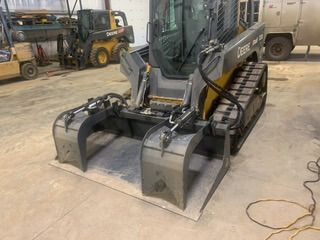
Without hydraulics, modern construction equipment wouldn’t operate as effectively as it does. Because of this fluid-based system, heavy equipment can use small operator motions to create large movements in attachments and things they hold. Knowing when to repair the hydraulics of heavy equipment requires an understanding of the system.
We can diagnose assess and repair your Hydraulics quickly and affordably, ask to talk to one of our team of knowledgable heavy duty technicians today!
Hydraulic systems are responsible for converting fluid pressure into controlled mechanical movement. On heavy-duty trucks and equipment, hydraulic components may operate lifting systems, steering systems, attachments, braking components, and other functions that require substantial force and precise control. When a hydraulic component begins to wear or fail, the effects can quickly extend beyond the individual part.
A hydraulic problem can reduce equipment performance, create safety concerns, and eventually lead to unplanned downtime. Identifying the source of a problem early allows technicians to determine whether a component can be repaired, rebuilt, or needs replacement.
Hydraulic failures do not always happen suddenly. Many components provide warning signs before they experience a complete failure.
Common symptoms include:
A machine that suddenly operates more slowly than normal should not automatically be assumed to have an engine or transmission problem. Reduced hydraulic performance can result from worn pumps, damaged valves, leaking cylinders, restricted filters, contaminated fluid, or other components within the hydraulic circuit.
Hydraulic pumps are responsible for moving fluid through the system and generating the flow required for equipment operation. Hydraulic motors use that pressurized fluid to produce mechanical movement.
Wear inside a pump or motor can reduce efficiency and affect the performance of the entire hydraulic system. Internal wear may also generate heat and introduce additional metal particles into the hydraulic fluid.
Technicians can evaluate symptoms such as reduced pressure, slow cycle times, unusual noises, overheating, or inconsistent operation to help determine whether a pump or motor requires further inspection. Correct diagnosis is important because replacing a component without identifying the underlying cause can result in another premature failure.
Hydraulic cylinders convert fluid pressure into linear movement. They are commonly used in lifting, steering, dumping, positioning, and other heavy-duty applications.
Cylinder problems can include leaking seals, damaged rods, scoring, corrosion, bent components, and internal wear. External fluid leakage is an obvious warning sign, but internal leakage can be more difficult to identify. A cylinder may gradually lose its ability to hold pressure or maintain its position even when there is little visible fluid leakage.
Early inspection can help prevent minor seal problems from progressing into more extensive component damage. Depending on the condition of the cylinder, repair requirements may involve replacing seals or addressing damage to other components.
Hydraulic valves control where fluid travels and how much pressure or flow reaches different components. A malfunctioning valve can cause slow movement, erratic operation, loss of pressure, or an attachment that does not respond as expected.
Contaminated hydraulic fluid is one factor that can contribute to valve problems. Small particles can interfere with the precise operation of hydraulic control components and accelerate wear.
Proper diagnosis should consider the entire hydraulic circuit rather than focusing only on the component displaying the symptom. Pressure testing, visual inspection, fluid condition, and other diagnostic information can help identify the actual source of the problem.
Hydraulic fluid does more than transfer pressure. It also provides lubrication and helps manage heat within the system. Contaminated, degraded, or incorrect fluid can contribute to premature wear throughout the hydraulic circuit.
Dirt, water, metal particles, and other contaminants can damage pumps, valves, cylinders, and motors. Regular fluid inspections and proper filter maintenance can help reduce contamination-related failures.
When hydraulic components are being repaired, technicians should also consider whether contamination or another system problem contributed to the original failure. Otherwise, a newly repaired component could be exposed to the same conditions that caused the initial problem.
Preventive maintenance is one of the most effective ways to reduce unexpected hydraulic downtime. Operators and maintenance teams should routinely inspect hoses, fittings, cylinders, connections, and reservoirs for signs of leakage or damage.
Maintenance records should document hydraulic repairs, component replacements, fluid services, and recurring symptoms. Tracking these details makes it easier to identify patterns and determine whether a particular machine requires more frequent attention.
Operators should also report changes in hydraulic performance rather than continuing to operate equipment until a component fails completely. A small leak, slow cylinder, unusual pump noise, or increase in operating temperature can provide an early indication that further inspection is necessary.
Hydraulic problems can be difficult to diagnose because multiple components work together as a single system. A symptom at one component may actually be caused by a restriction, pressure problem, contamination, or failing component elsewhere in the circuit.
DMR Diesel provides hydraulic component repair services from its Acheson, Alberta facility. The company states that its heavy-duty technicians can diagnose, assess, and repair hydraulic systems.
Professional diagnosis helps determine the source of a hydraulic problem before unnecessary parts are replaced. Whether the issue involves a cylinder, pump, motor, valve, hose, or another hydraulic component, identifying the underlying cause is essential for a dependable repair.
A hydraulic failure can quickly take a heavy-duty vehicle or piece of equipment out of service. Waiting until a component completely fails can also increase the possibility of secondary damage and make an unexpected repair more disruptive.
Paying attention to leaks, changes in operating speed, unusual noises, excessive heat, and other warning signs gives maintenance teams an opportunity to investigate problems before they become major failures.
If your heavy-duty equipment is experiencing hydraulic problems, DMR Diesel can assess the system and determine the appropriate repair approach. Early diagnosis can help protect hydraulic components, reduce unnecessary downtime, and keep equipment working reliably.
Common signs include hydraulic fluid leaks, slow or weak movement, jerky operation, unusual noises, excessive heat, loss of pressure, and cylinders that drift or fail to hold their position.
Slow hydraulic operation can have several causes, including a worn pump, restricted filter, low fluid level, contaminated fluid, leaking components, or a hydraulic pressure problem. A proper diagnosis can identify the source before components are unnecessarily replaced.
Many hydraulic cylinders can be repaired depending on their condition. Problems such as worn seals or damaged components may be repairable, while severely damaged parts may require replacement. An inspection is necessary to determine the appropriate repair.
Hydraulic leaks can result from worn seals, damaged hoses, loose fittings, cracked components, damaged cylinder rods, or other system problems. Even a small leak should be investigated because continued fluid loss can affect system performance and create additional hazards.
Hydraulic overheating can be associated with excessive system load, restricted flow, inefficient components, contaminated or incorrect fluid, internal leakage, or other system problems. Continued operation at excessive temperatures can accelerate component wear.
Contaminants such as dirt, water, and metal particles can interfere with hydraulic components and accelerate wear. Contamination can affect pumps, valves, cylinders, motors, and other precision components, potentially shortening their service life.
Inspection intervals depend on the equipment, operating conditions, manufacturer recommendations, and workload. Heavy-duty equipment operating under demanding conditions may require more frequent inspections. Operators should also report leaks or changes in performance as soon as they appear.
Yes. Continuing to operate equipment with a hydraulic problem can place additional stress on other components. For example, operating with low fluid, excessive heat, contamination, or internal leakage can contribute to additional hydraulic system wear.
A hydraulic leak should be investigated promptly. Beyond reducing system performance, escaping hydraulic fluid can create safety and environmental concerns. Continuing to operate with a leak can also allow the underlying component problem to become more extensive.
Contact a qualified heavy-duty technician when you notice persistent leaks, loss of hydraulic power, slow or jerky operation, unusual noises, overheating, or other changes in hydraulic performance. Early diagnosis can help identify the underlying problem before it results in major downtime.
We Appreciate The Opportunity To Earn Your Business!